
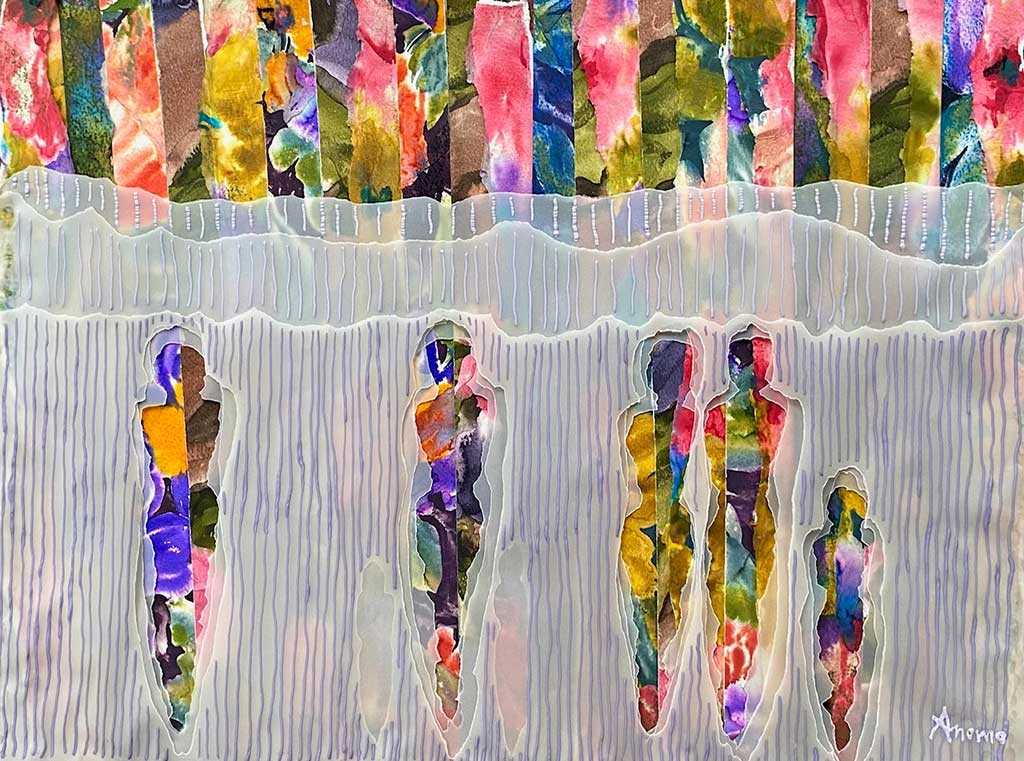
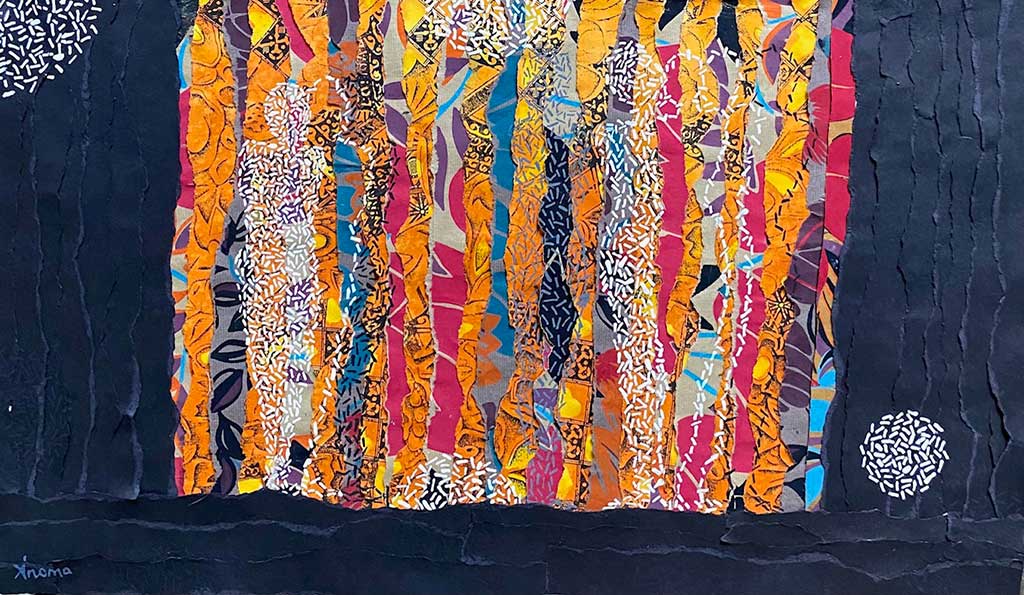
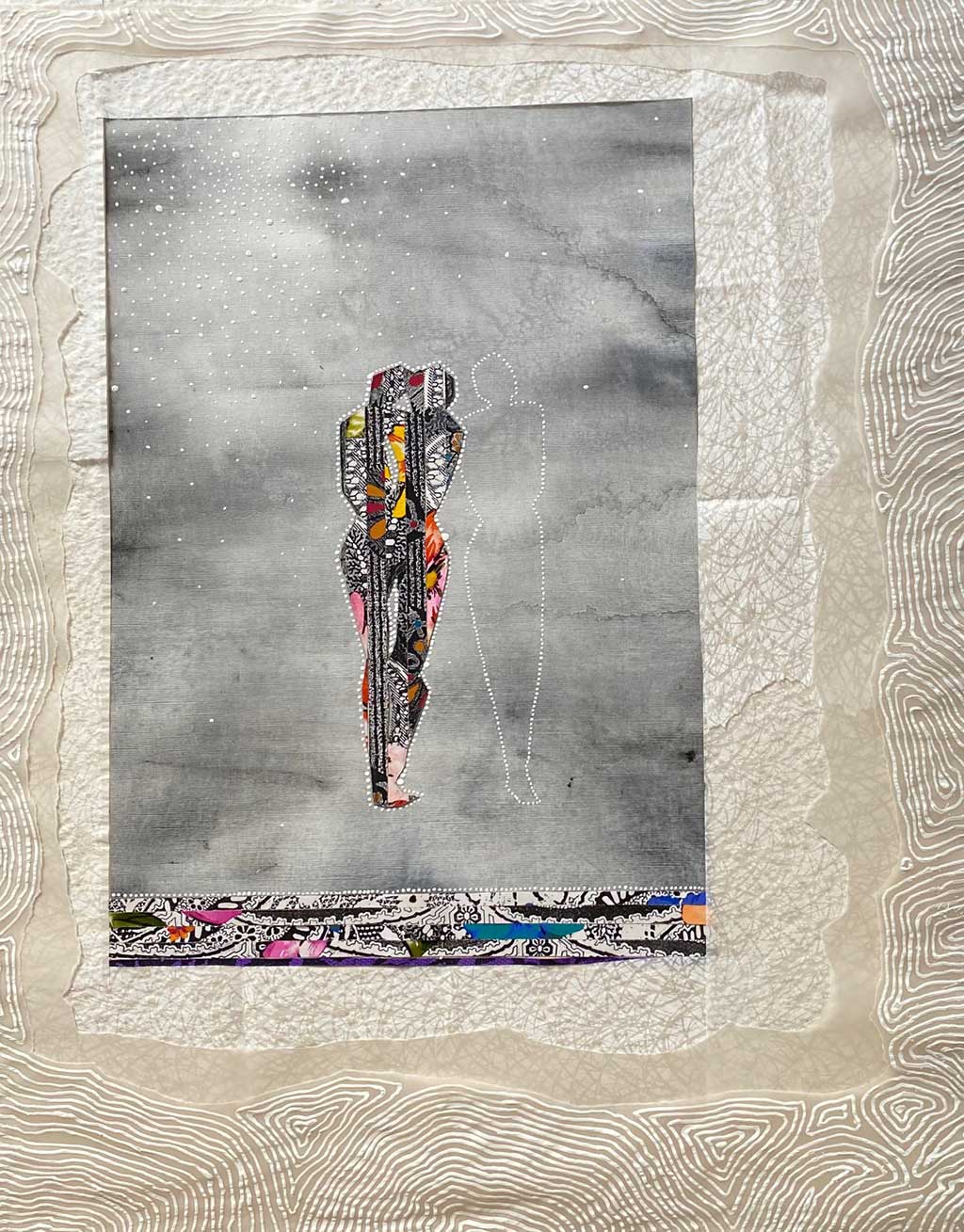
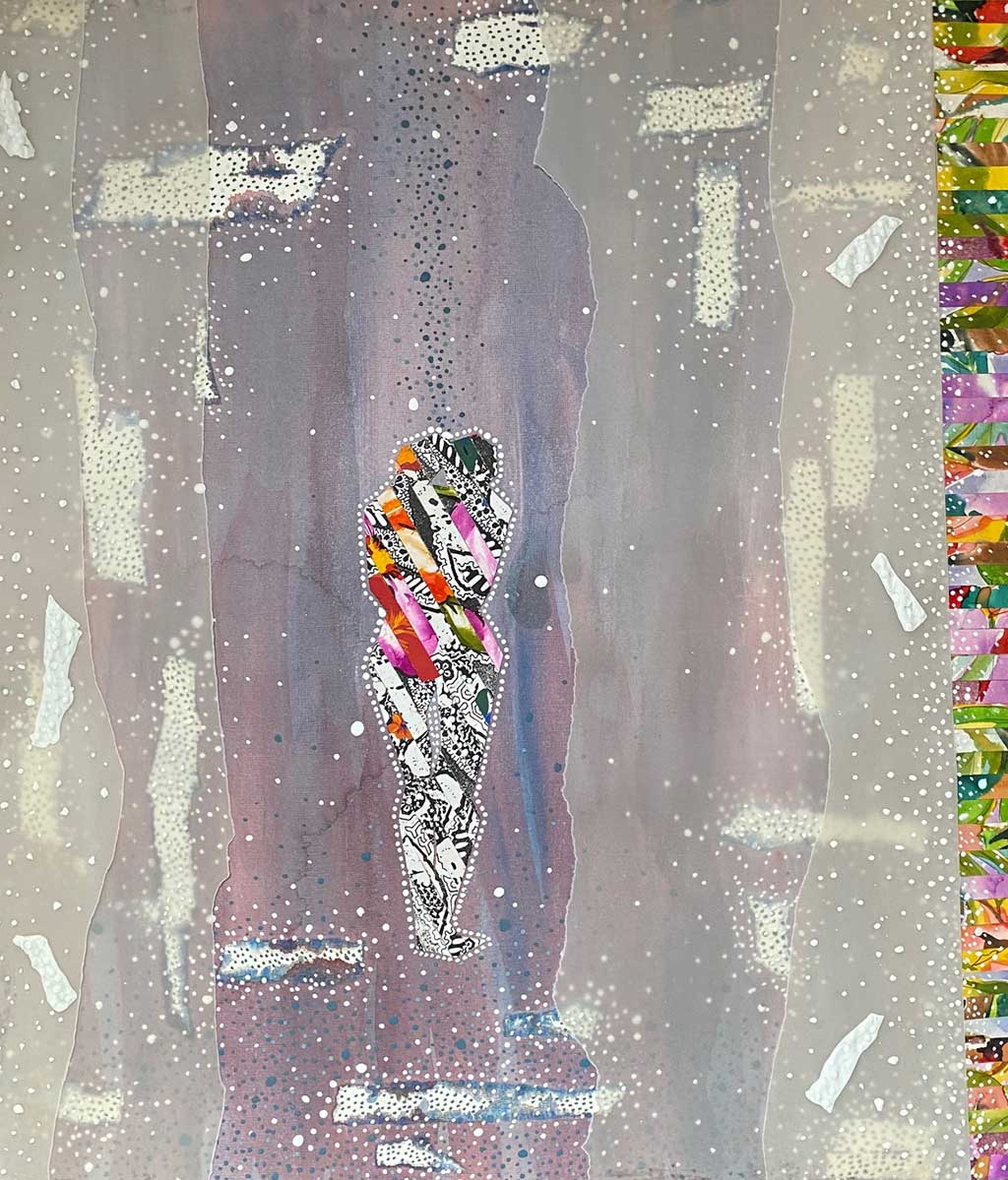
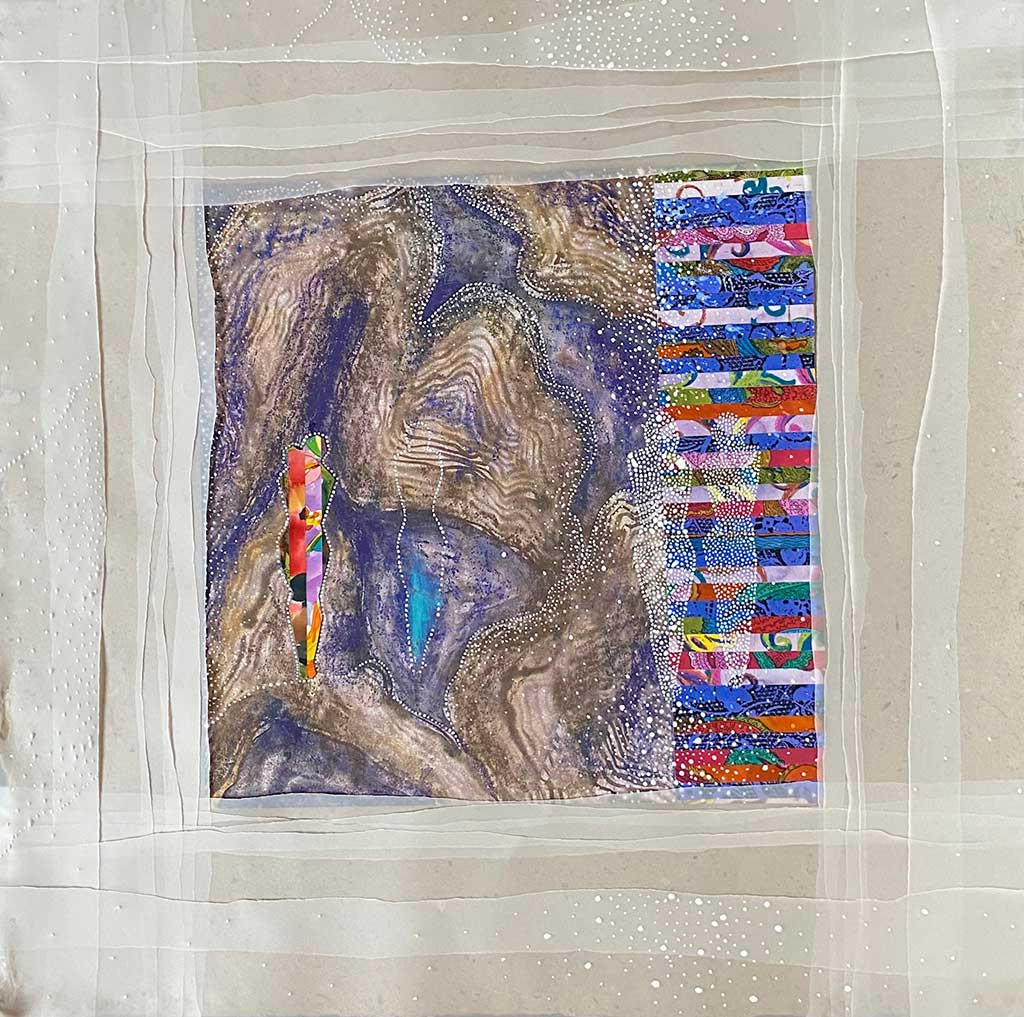
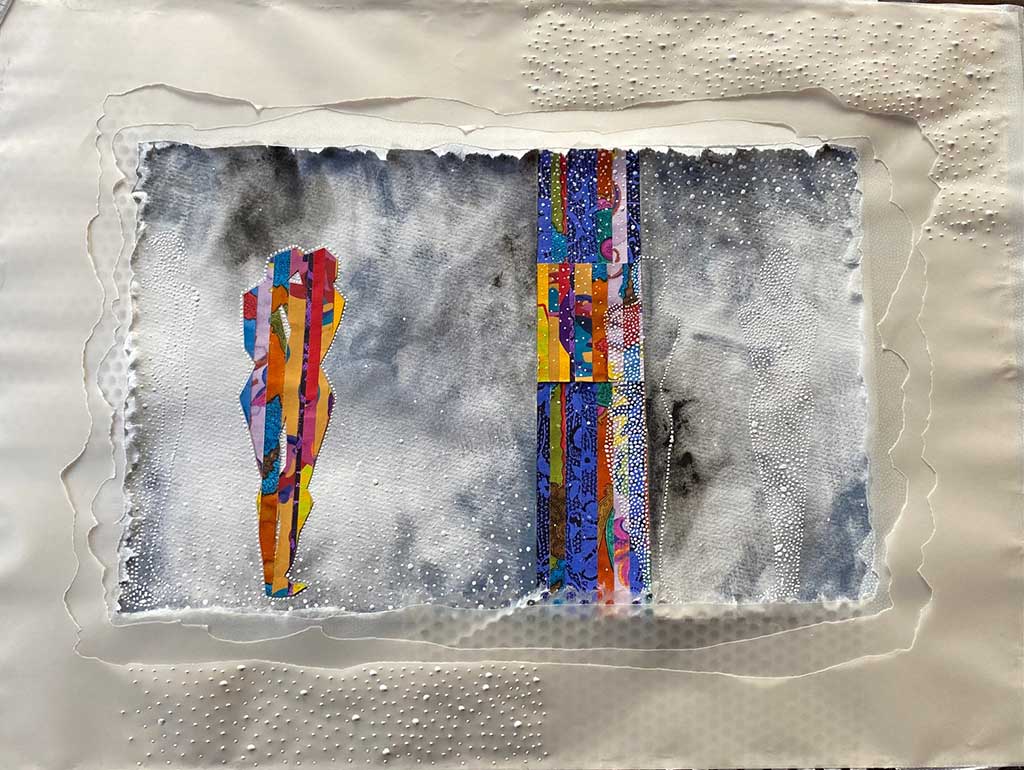
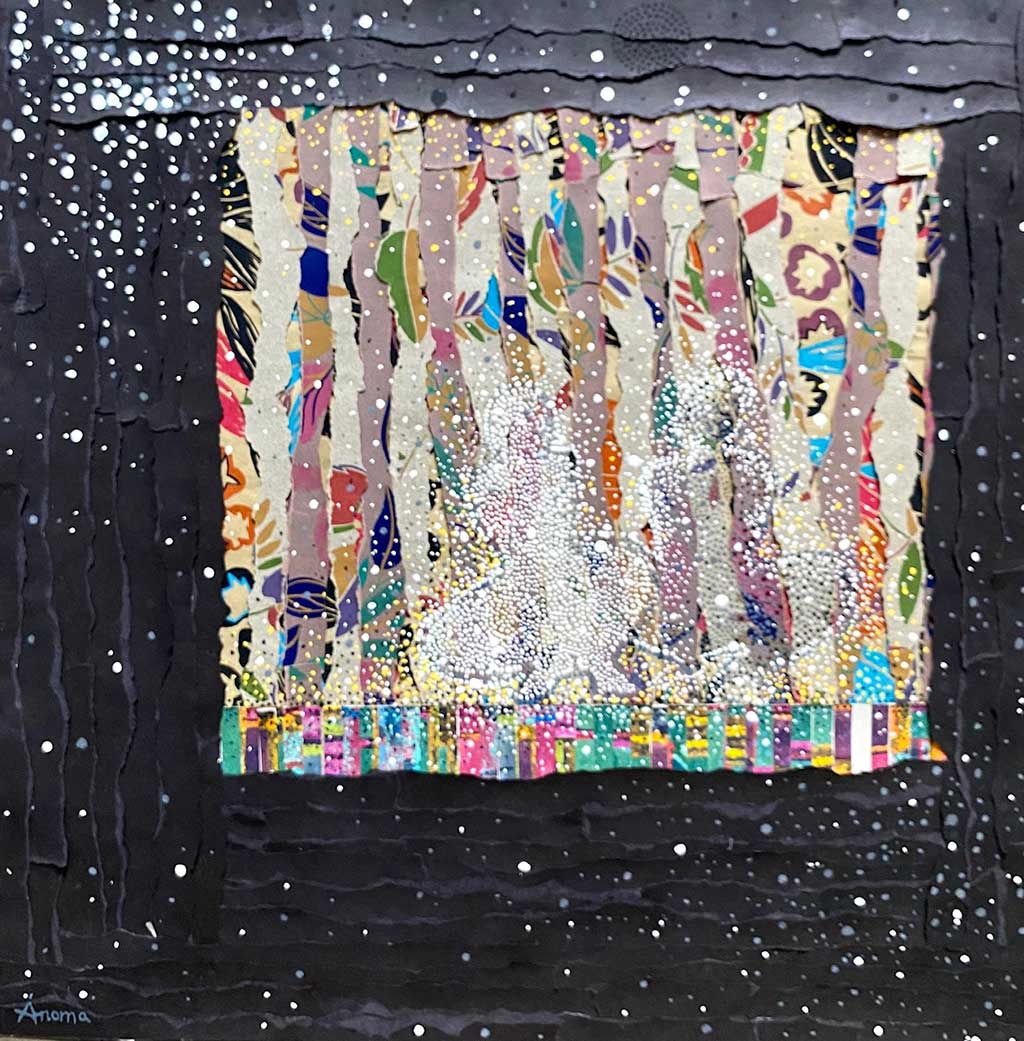
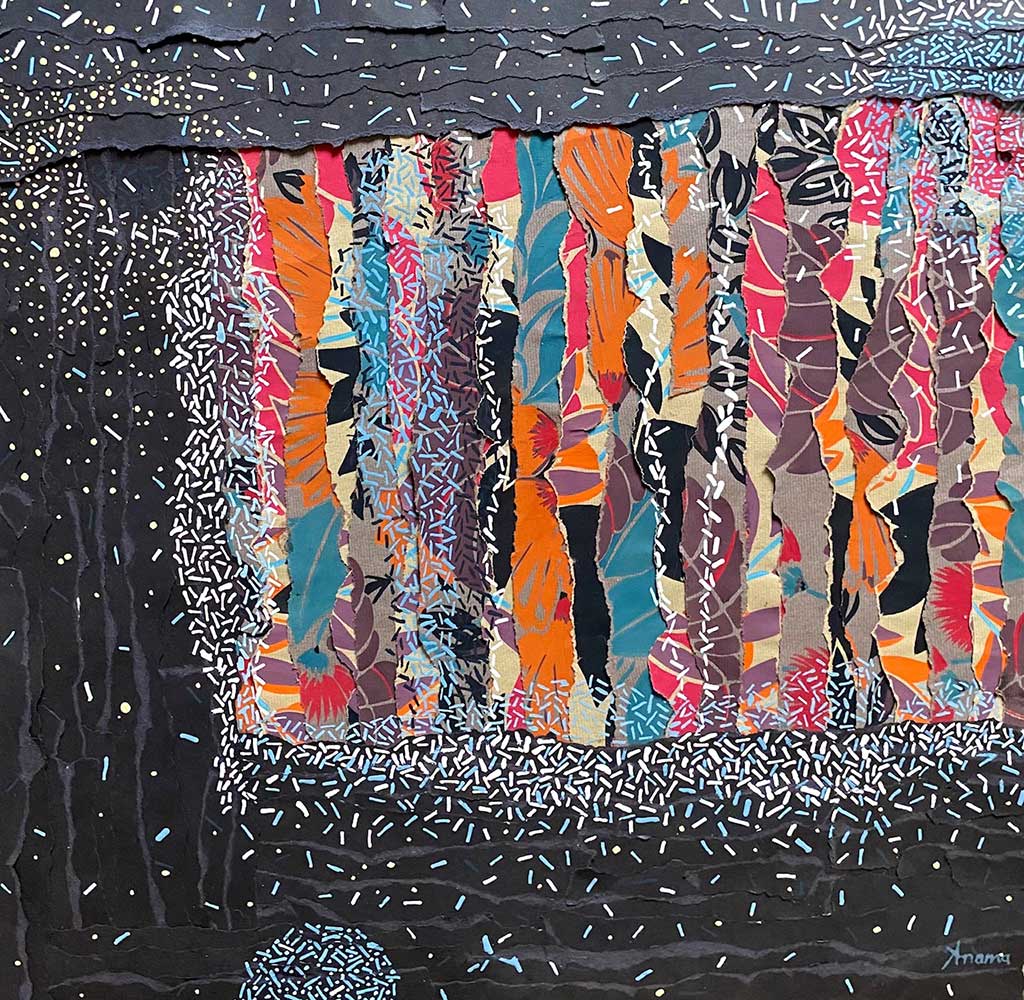
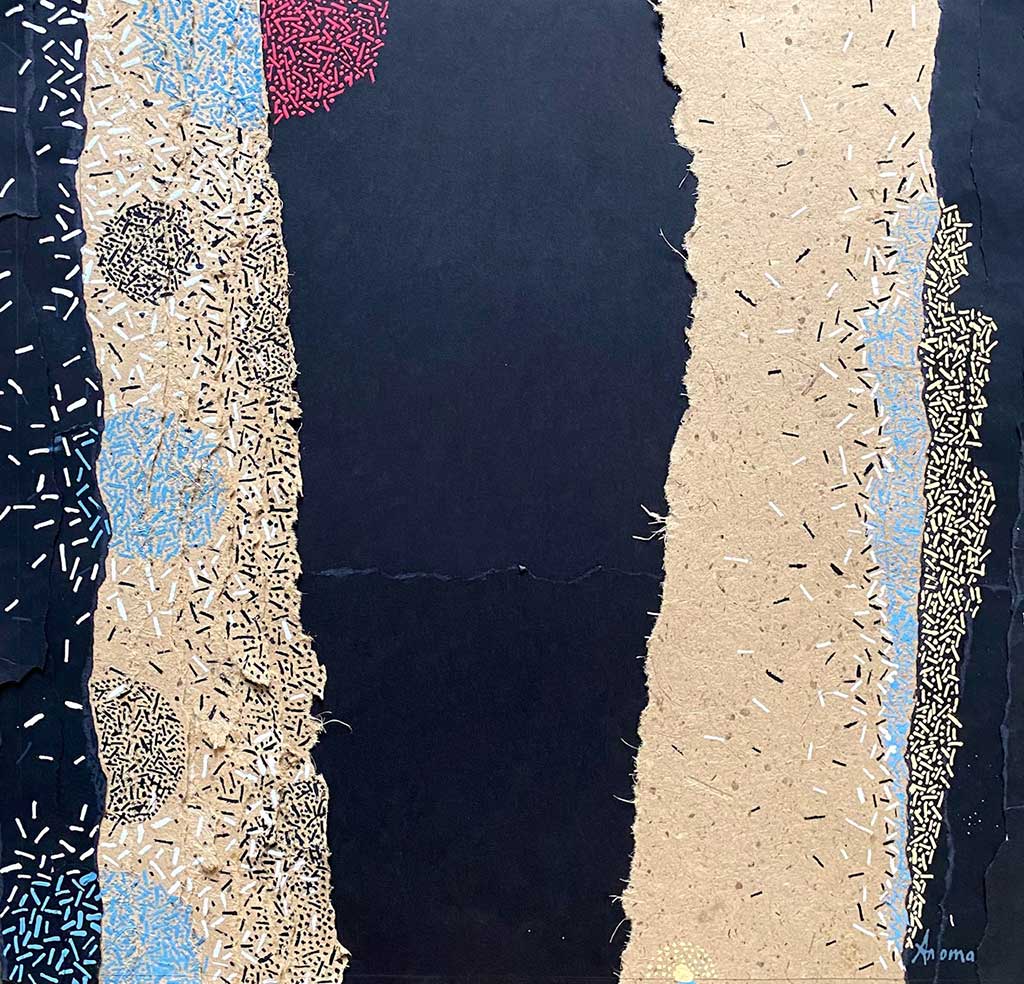
Invisible Woman : Emerging Woman
Even after decades of progress, the fulfilment of women’s rights still remains fragile as reflected in continued poverty, unequal pay, restricted access to education and reproductive care, as well as the practice of sexual and gender-based violence.
Moreover, laws are being rolled back, protections weakened, and hard-won freedoms questioned across the globe. In too many places, women’s safety is uncertain, their autonomy challenged, and their voices dismissed. Such inequalities, oppression and victimisation are not only social; they are systemic—embedded within legal frameworks, institutional practices, and cultural norms.
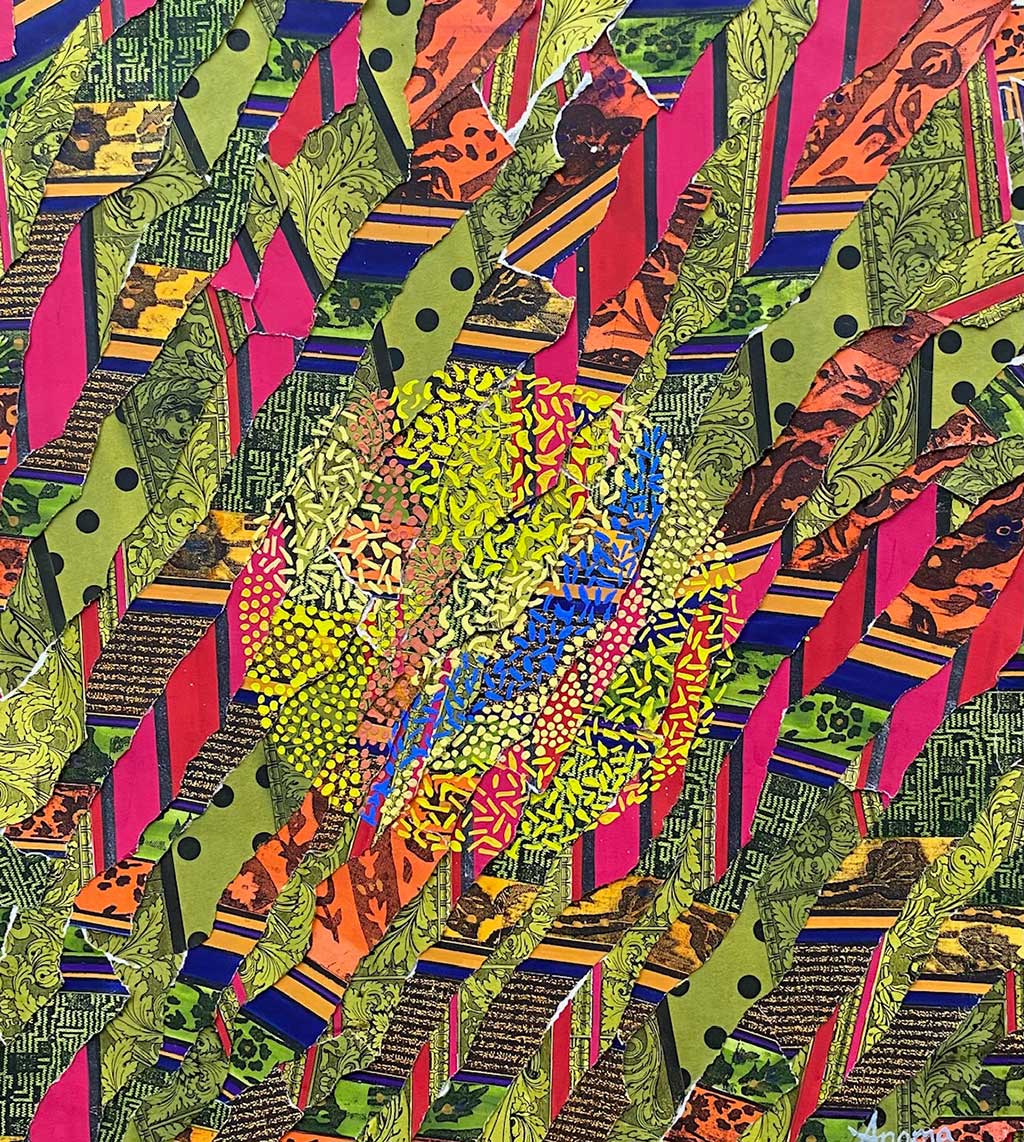
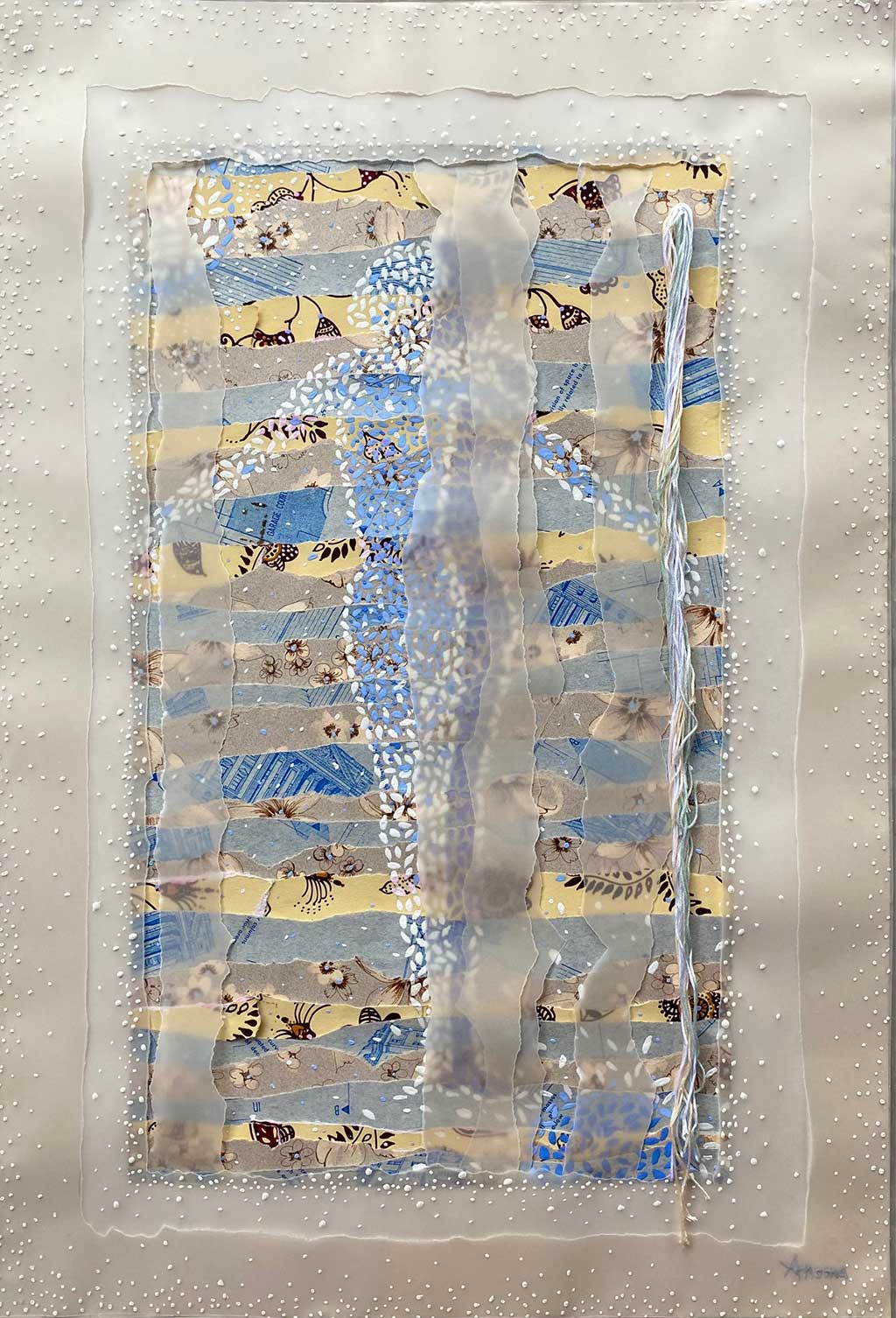
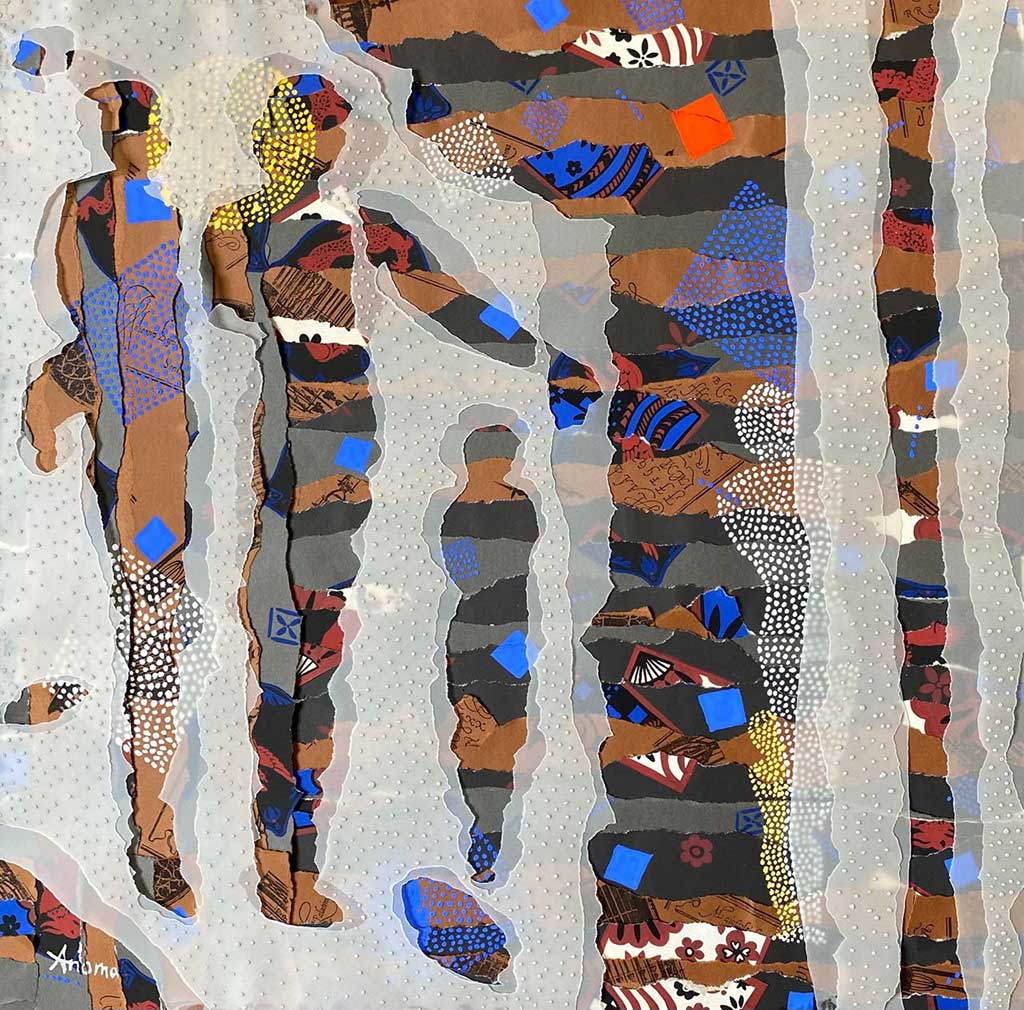
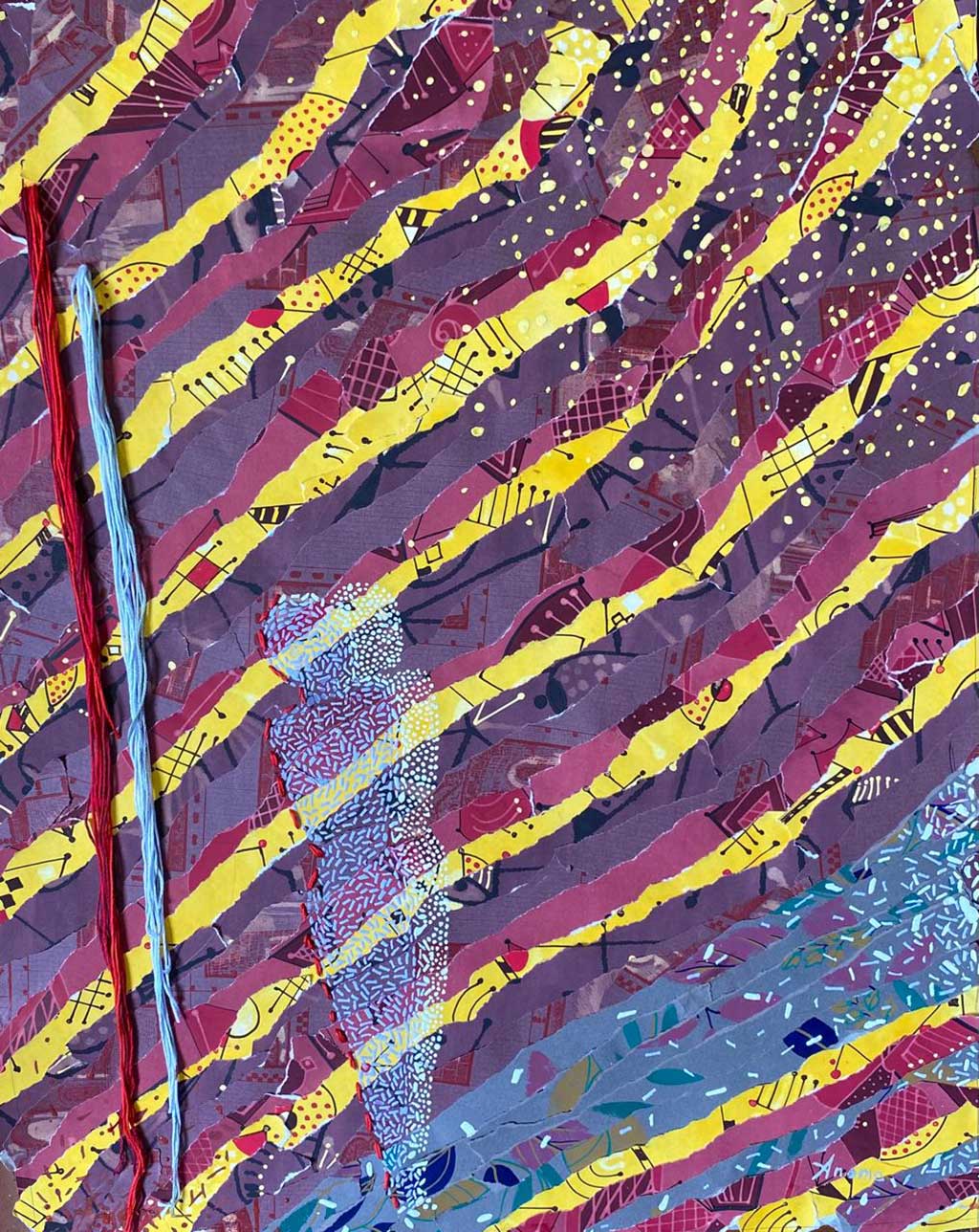
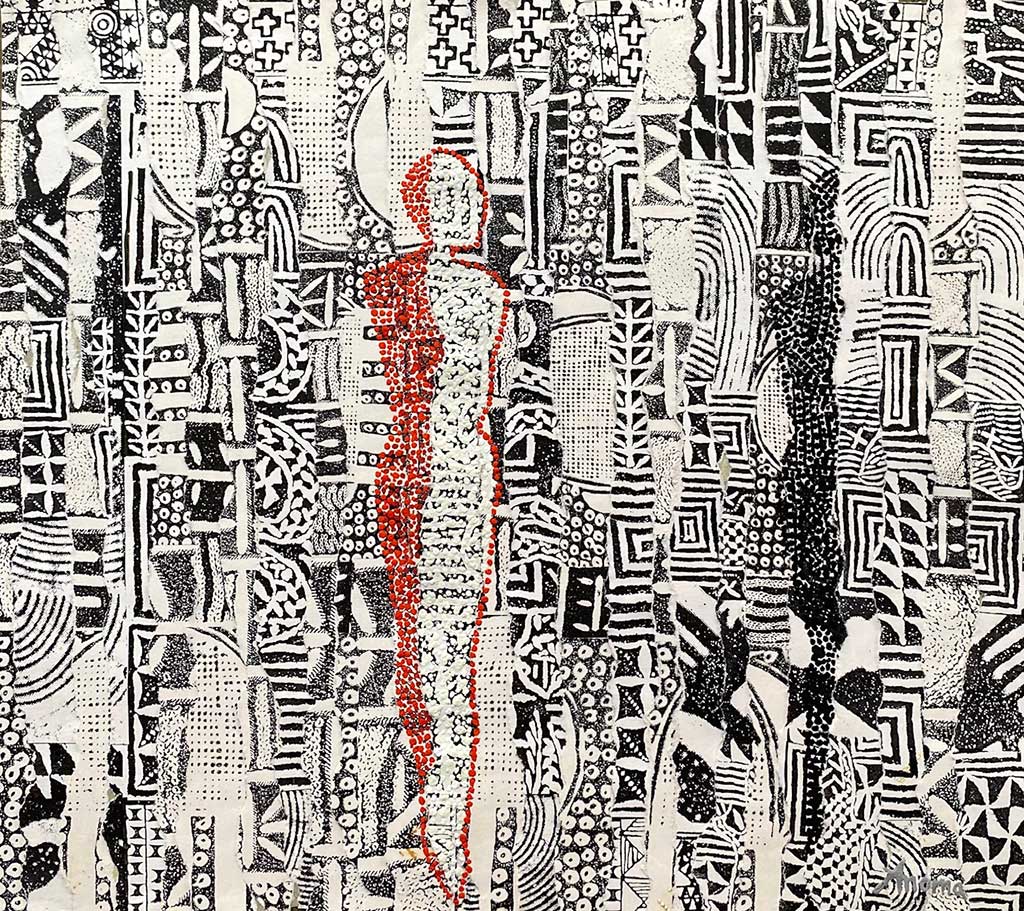
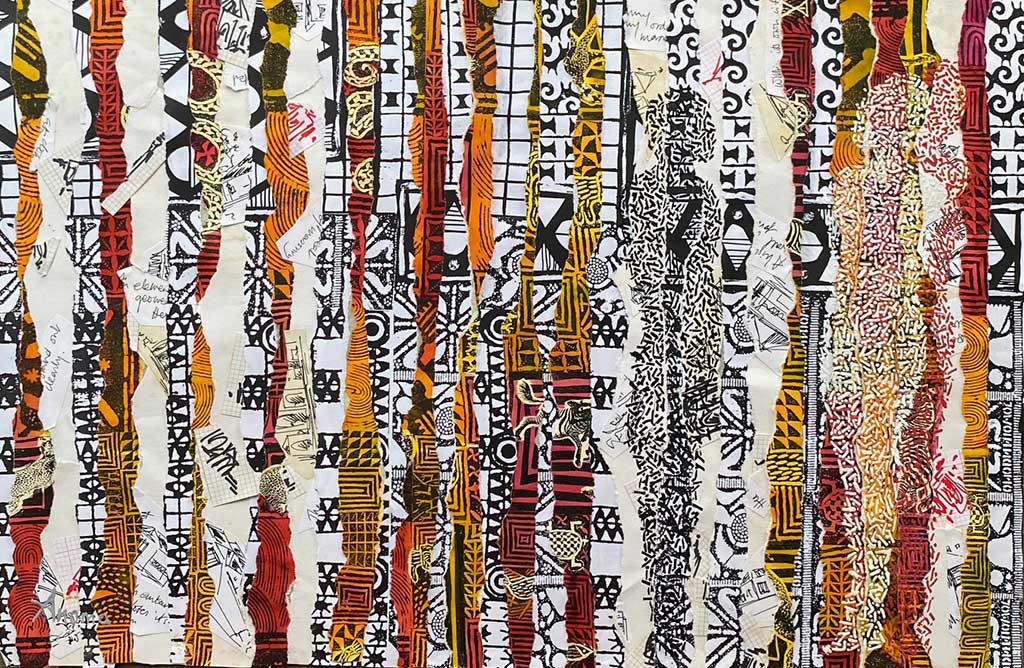
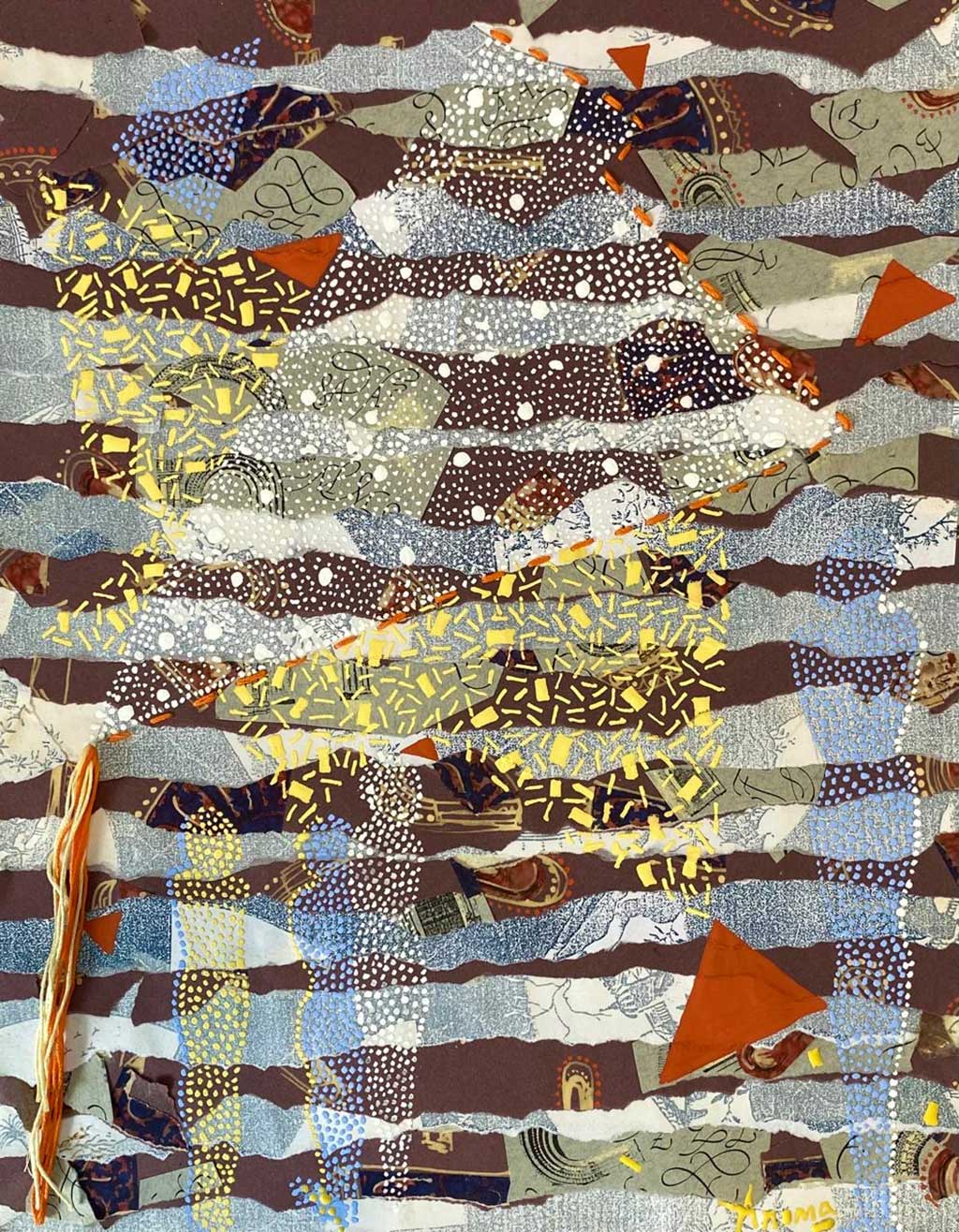
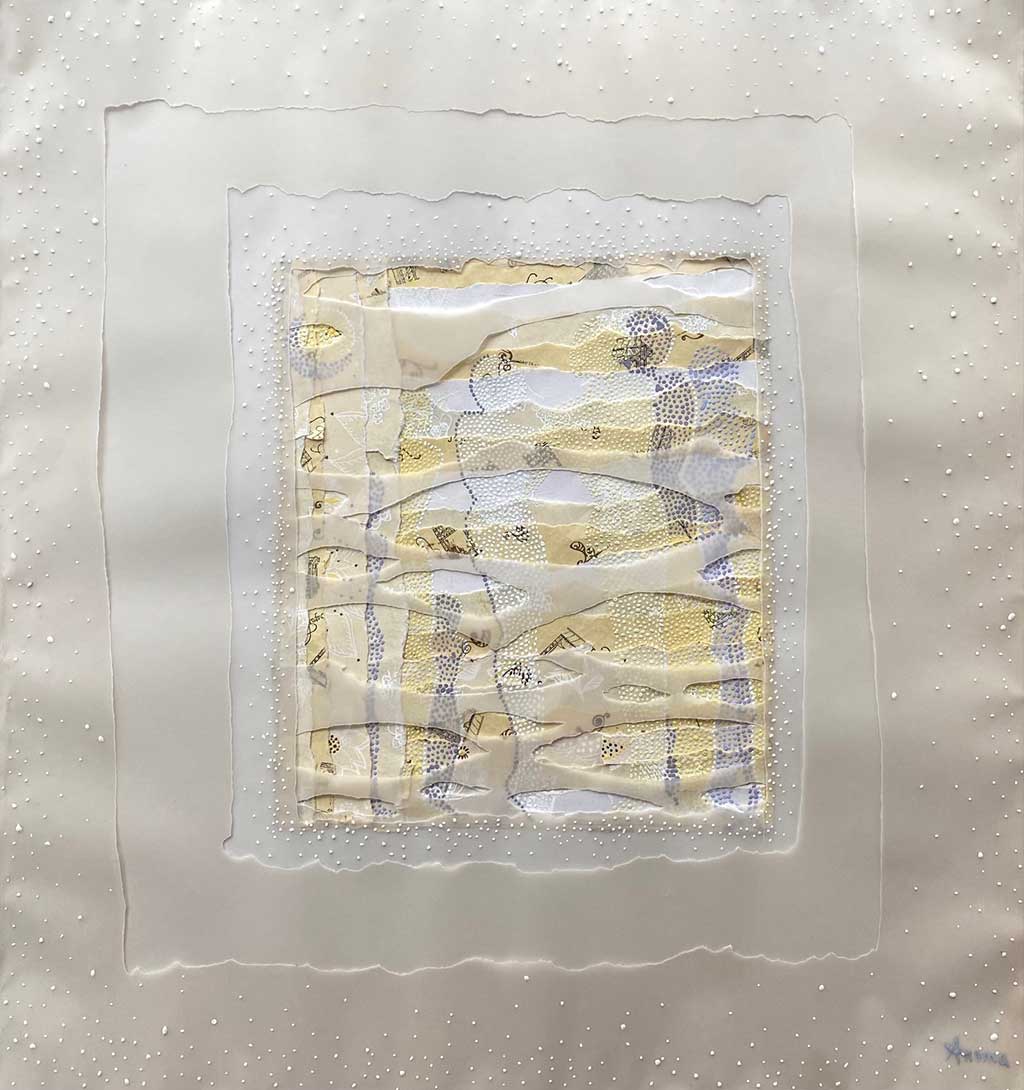
Invisible Woman: Emerging Woman
A tribute to the countless women who have carried invisible burdens across generations—unseen, uncredited, yet indispensable. It honours the silent courage of women who have endured erasure, injustice, and silence while holding families, communities, and societies together.
The work speaks of this shared global reality of the resilience of women. Yet, this resilience has too often been taken for granted and the series exists within this tension, recognising both the weight women bear and the transformative power of their persistence.
Consequently, Emerging Woman also recognises that women everywhere are emerging — more empowered than ever before. Their resilience is not merely inspiring—it is transformative.
From grassroots organisers to global leaders, from young girls demanding education to survivors turning pain into advocacy, women are rewriting their narratives. While empowerment has been met with resistance and backlash, women continue to rise with conviction and purpose. Voices that once whispered now echo across nations. Women who were once invisible are stepping into the light with demands grounded in justice and humanity, with a force that feels unstoppable.
Thus, this series also showcases women who reject social structures, cultural norms, and inherited silences and whose voices are rising with a clarity and courage across the world.
The works engage with forces that have traditionally sought to contain and define the female body through expectations, compliances, or obliterations.
It also confronts the paradox of female visibility: to be invisible yet seen according to the viewers’ gaze; or to be seen constantly yet rarely recognised; or to occupy space while being rendered secondary. In standing still, she resists. In the remaining whole, she reclaims agency, body, and self.
The collective rising is not a spectacle of rebellion, but a declaration of existence—women do not ask permission to be visible, do not negotiate their worth, nor do they soften themselves for acceptance.
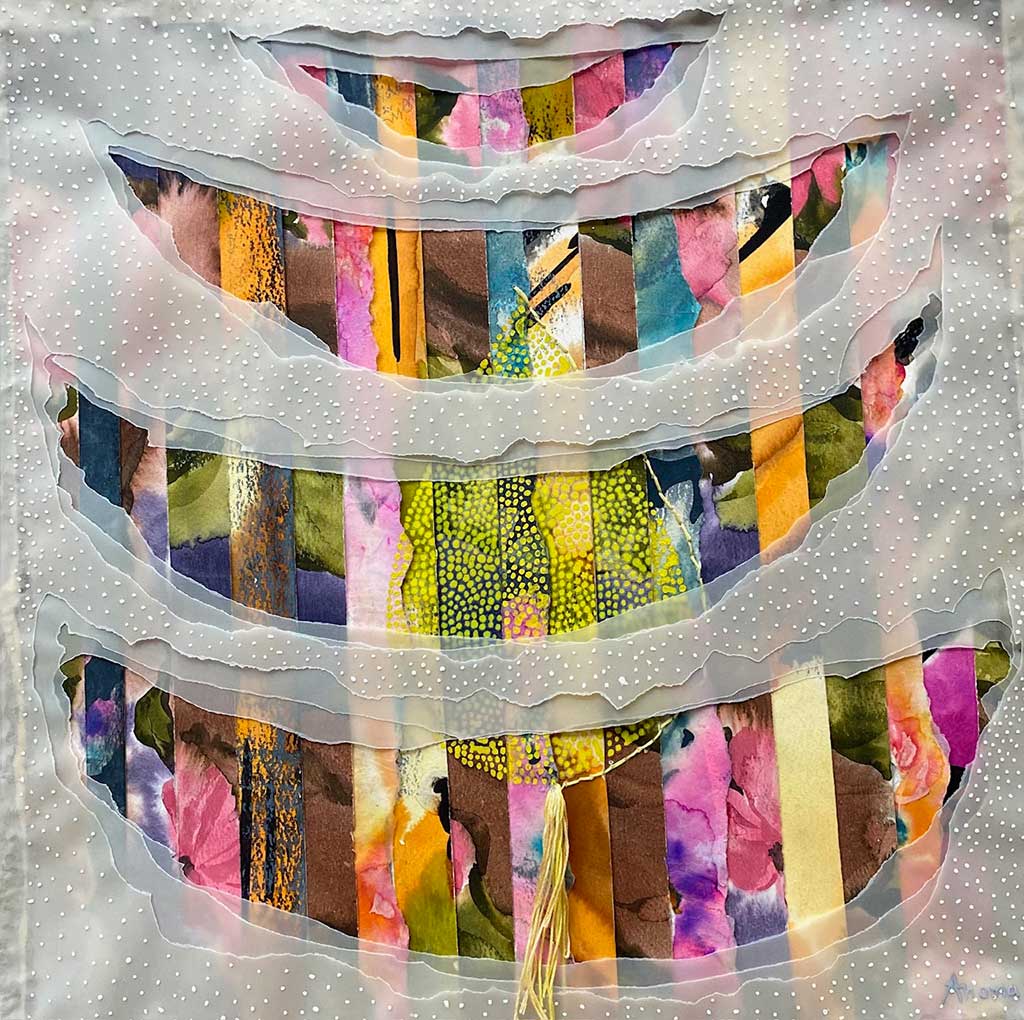
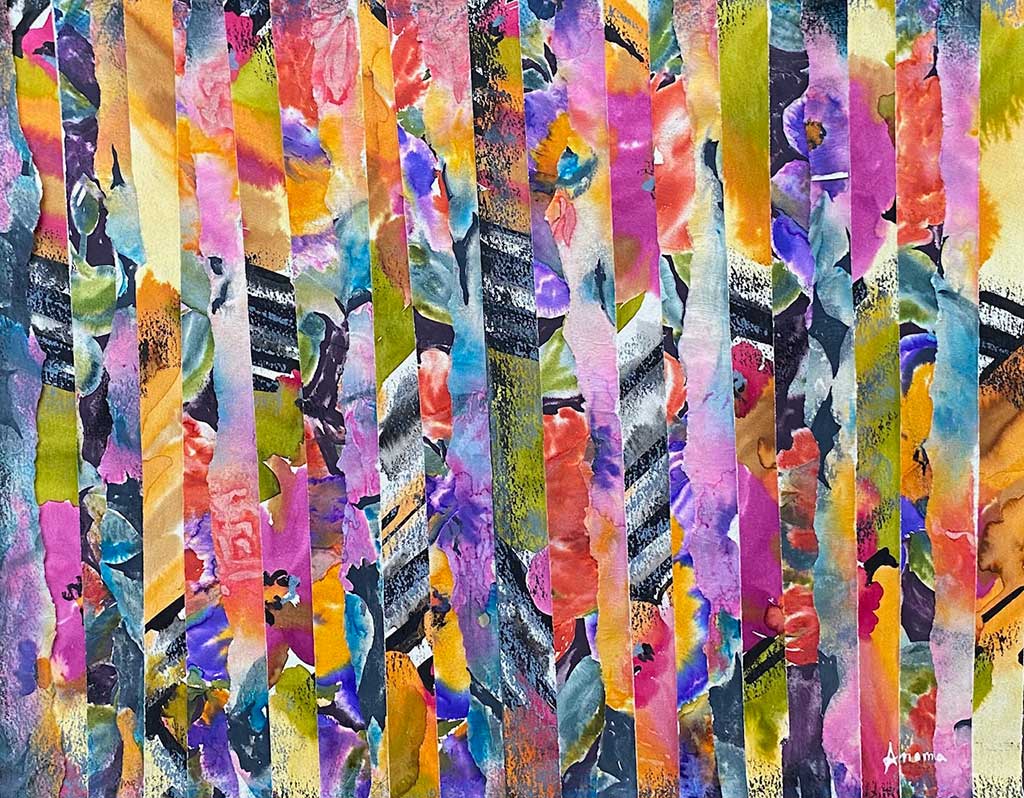
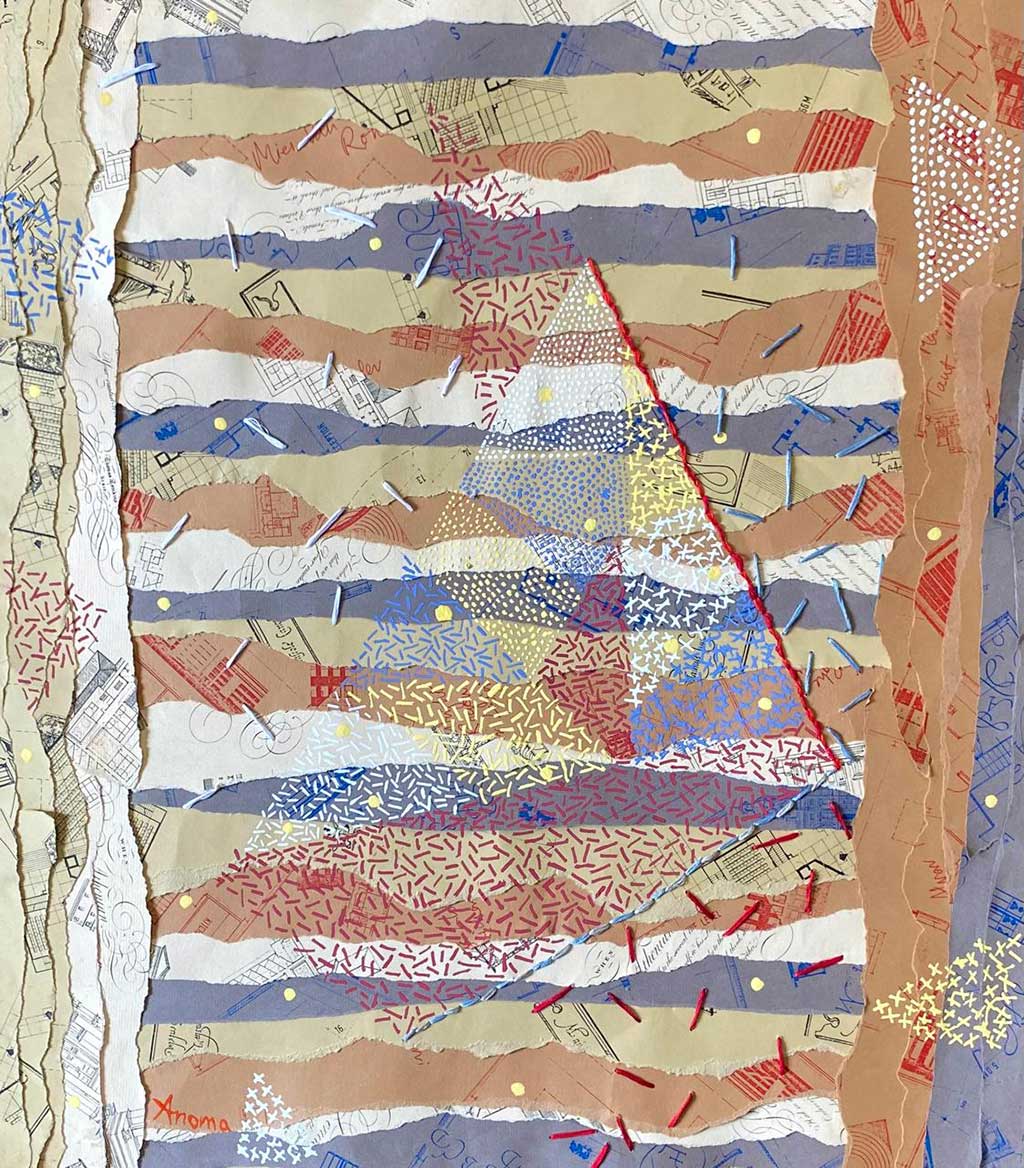

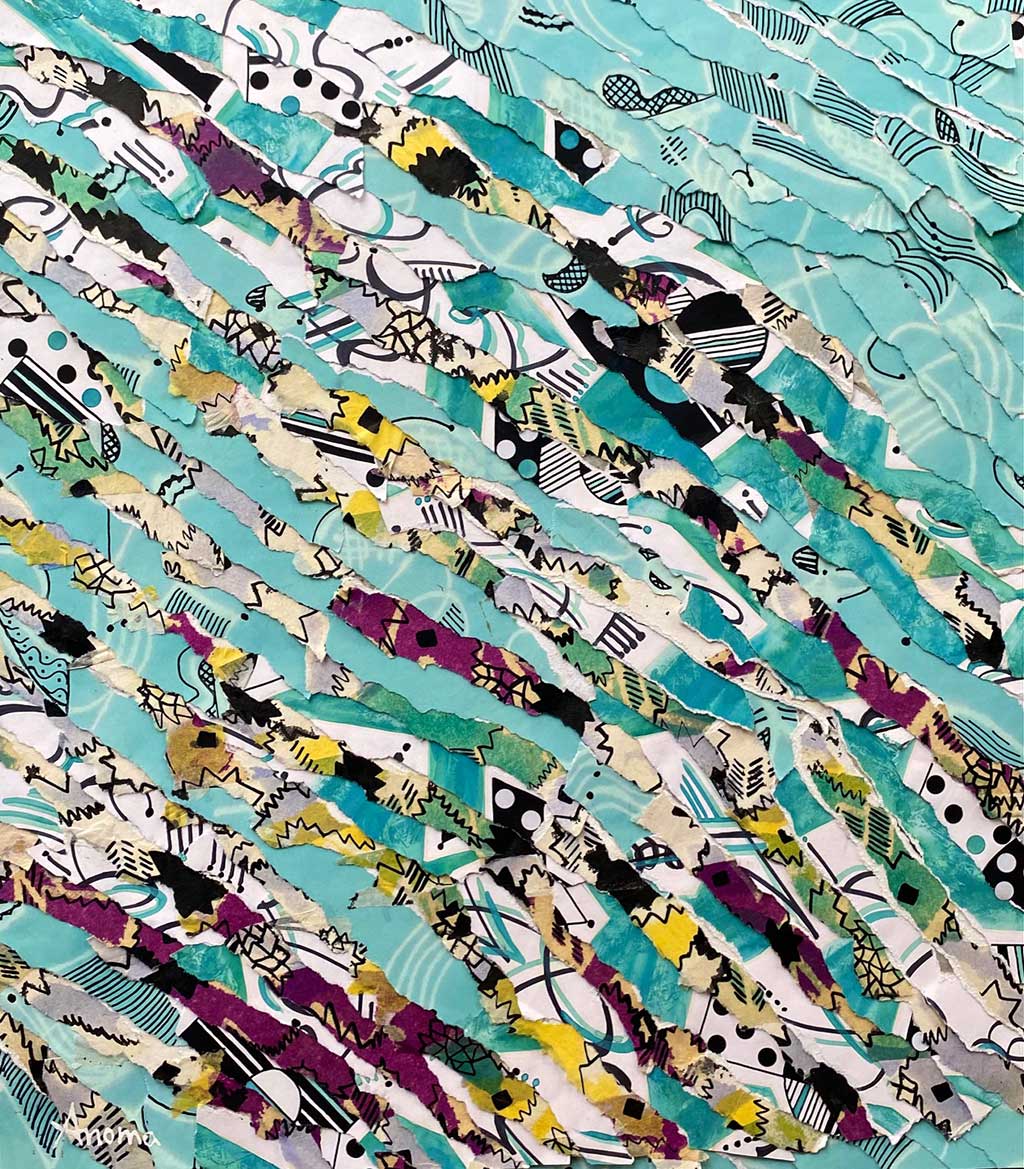
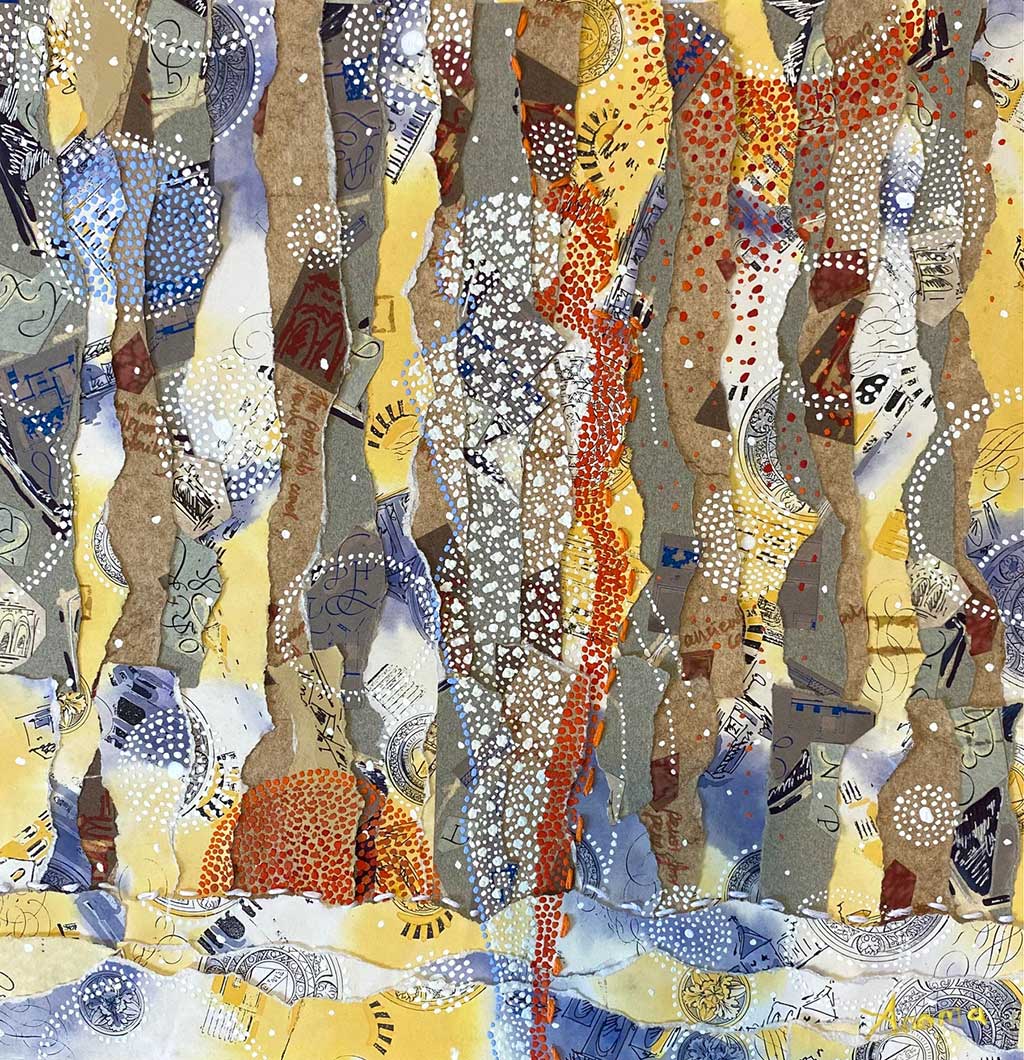
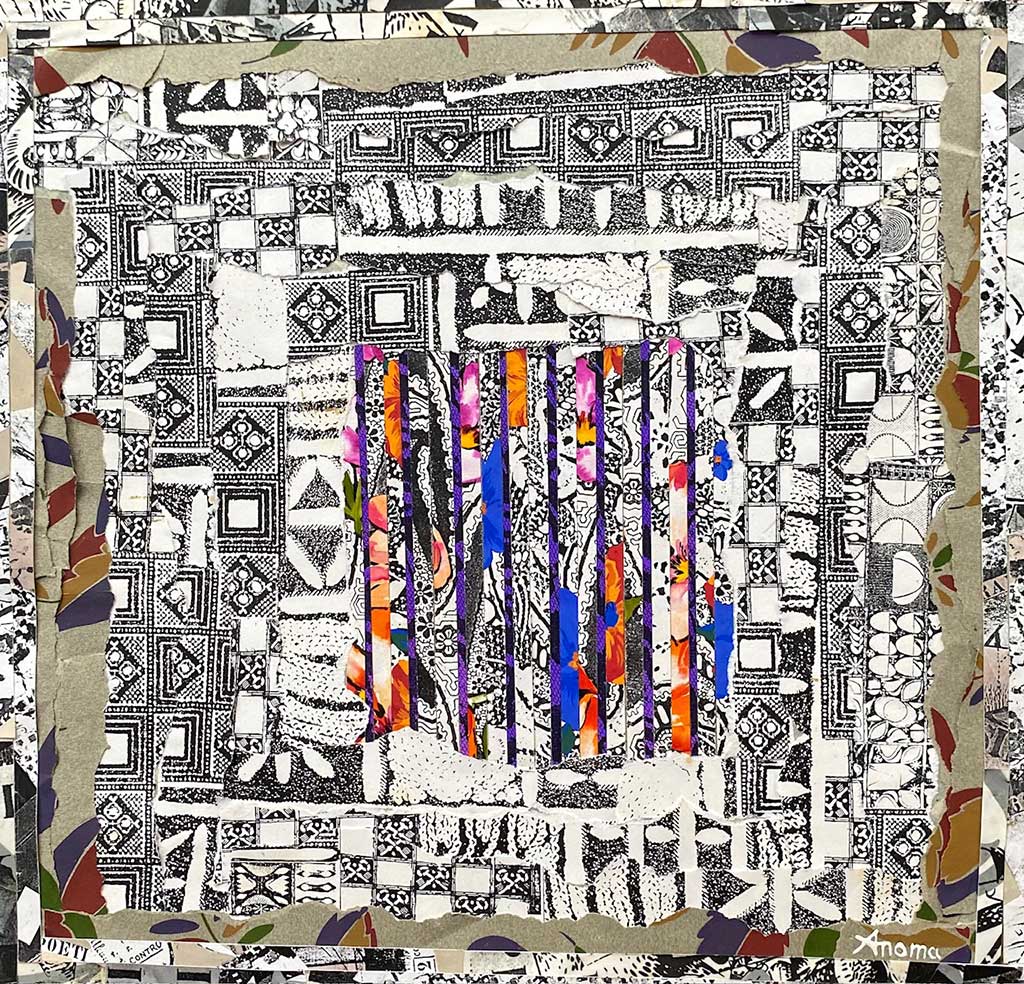
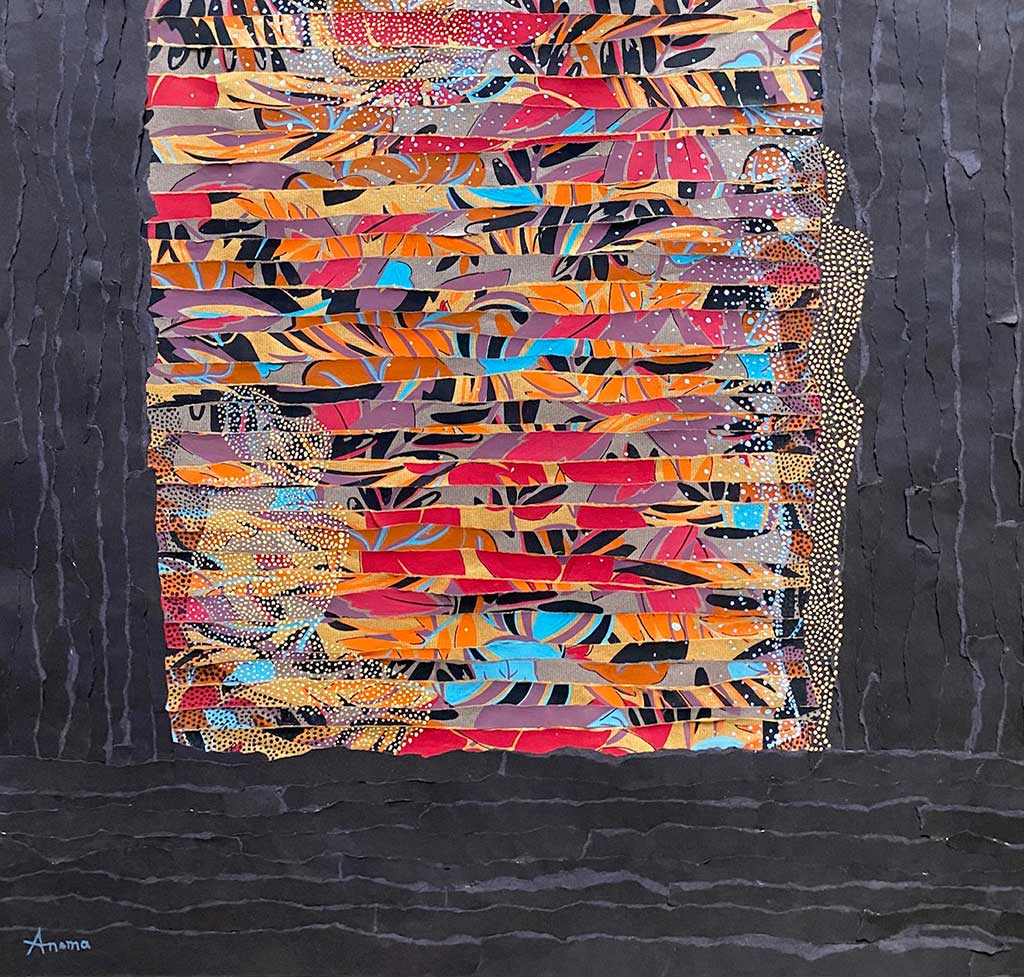
Global Status of Women
- Only 1 in 7 countries is led by a woman (Just 16 countries have a woman Head of State, and 21 countries have a woman Head of Government)
– Source: Link - Women hold 27.5% of parliamentary seats globally, up from 11 per cent in 1995
– Source: Link - Women represent 22.4% of Cabinet members heading Ministries, leading a policy area. The most commonly held portfolios by women Cabinet Ministers are Women and gender equality, followed by Family and children affairs, and Social inclusion and development
– Source: Link - Women make up only 35% of STEM graduates, figure unchanged in ten years – and consequently, in STEM careers.
– Source: Link - Only 11% of Fortune 500 CEO’s are women (2025)
– Source: Link - Women’s workforce participation globally has risen to 41.2% in 2024
– Source: Link - 1 in 3 women worldwide experience physical or sexual violence in their lifetime
1 in 4 women journalists globally and 1 in 3 women parliamentarians in Asia-Pacific reported having received online threats of physical violence, including death-threats.
– Source: Link - Women earn 20% less than men globally
– Source: Link - Women perform 2.5× more unpaid care work than men
Girls learn this early and provide 160 million more hours every day on unpaid care and domestic work than boys.
– Source: Link - According to UNESCO, 122 million girls were still out of school worldwide. Moreover, as of 2023, almost 1 in 3 was neither in education, training, nor employment.
– Source: Link - Every day in 2023, over 700 women died from preventable causes related to pregnancy and childbirth. A maternal death occurred almost every 2 minutes in 2023.
– Source: Link - Women tend to live longer than men, but spend 25% more of their lives in poor health or with disabilities than men.
– Source: Link - In 2024, around 50,000 women and girls were killed by their intimate partners or their family members.
It is estimated that 80% of people displaced by climate change are women.
Each year, 4 million girls undergo female genital mutilation, over 2 million are under age 5.
Less than 40% of women who experience violence seek help of any sort.
Less than 10% seeking help appealed to the police.
– Source: Link - An estimated 164 million women of reproductive age have an unmet need for contraception.
– Source: Link
